





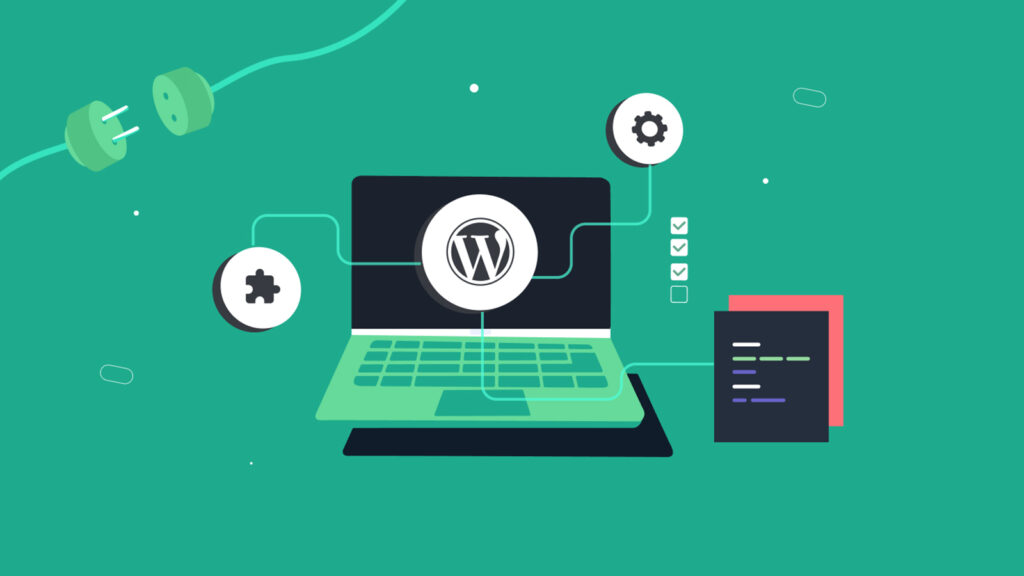
Mastering WordPress Development in 2025: A Complete Guide for Beginners & Enthusiasts
Are you a WordPress enthusiast who is always excited about the newest developments?
You’re in the right place!
WordPress continues to dominate the digital world as one of the most popular content management systems (CMS), powering more than 40% of websites globally. Its versatility, scalability, and user-friendly interface make it a top choice for developers, entrepreneurs, and businesses of all sizes.
Whether you’re creating a personal blog, building an e-commerce store, or developing a complex corporate platform, WordPress gives you the tools and flexibility to bring your vision to life. This blog post explores the essentials of modern WordPress development and provides a clear roadmap for beginners and growing developers in 2025.
Understanding the Basics of WordPress Development
WordPress is an open-source CMS written in PHP, paired with a MySQL or MariaDB database. What makes it powerful is its modular structure—allowing developers to extend functionality with themes, plugins, and custom code.
To begin your WordPress development journey, you should understand the following:
HTML, CSS & JavaScript: The core building blocks of every website.
PHP: The server-side scripting language WordPress is built on.
MySQL: Used for storing and managing website data, settings, and user information.
A strong foundation in these technologies helps you build efficient, functional, and fully customizable WordPress sites.
Setting Up Your Development Environment
Before diving into development, set up a local environment where you can experiment safely. Popular tools include:
XAMPP
WAMP
Local (LocalWP)
These tools allow you to run WordPress on your computer without affecting any live website. Once installed, you can explore the WordPress dashboard, adjust settings, and get familiar with the codebase.
Themes & Templates: Designing the WordPress Experience
Your theme controls the overall look and feel of your website. You can start with a pre-built theme—or build your own from scratch.
A WordPress theme usually includes:
style.css – Controls the layout and style
functions.php – Adds custom functionality
header.php, footer.php, sidebar.php – Structural layout files
index.php, single.php, page.php – Template files that follow the WordPress hierarchy
For example, when someone views a blog post, WordPress will load single.php. If it doesn’t exist, it will fall back to index.php. Understanding this hierarchy helps you create highly customized and efficient designs.
Plugins: Expanding WordPress Functionality
Plugins add features to WordPress sites without touching the core files. They can range from simple (like contact forms) to advanced (like SEO tools and custom dashboards).
Plugin development begins with a structured PHP file and proper plugin headers.
A leading WordPress development company like Splenden Technologies (2025) can build advanced plugins tailored to your business needs—ensuring scalability, performance, and long-term reliability.
Best Practices for WordPress Development
To build secure, fast, and maintainable websites, follow these industry best practices:
✔ Follow WordPress Coding Standards
Keep your code clean, readable, and consistent.
✔ Use Child Themes
Make customizations without losing them during theme updates.
✔ Optimize for Performance
Reduce HTTP requests, use caching plugins, compress images, and write efficient database queries.
✔ Focus on Security
Always sanitize user input, validate data, and use nonces for forms.
✔ Test Thoroughly
Test across browsers, devices, and use tools like PHPUnit for automated testing.
Advanced WordPress Development: Unlock Its Full Potential
WordPress isn’t limited to basic websites. With advanced development techniques, you can build powerful, enterprise-level applications.
Key areas to master:
REST API for custom app integrations
Custom Post Types & Taxonomies
Headless WordPress setups
Advanced Custom Fields (ACF)
Custom plugin development
For large-scale projects, focus on:
Caching layers
CDN integration
Query optimization
Secure architecture
Load balancing
With these techniques, WordPress becomes a truly scalable and high-performance platform.
Wrapping Up
WordPress development is a rewarding journey that blends creativity with technical expertise. By mastering themes, plugins, and advanced customization methods, you can build powerful, unique websites suitable for any industry.
Keep experimenting, stay updated, and refine your skills—because the future of the web in 2025 and beyond will continue to be shaped by the possibilities of WordPress.